Biogas2026-03-20T10:21:46+01:00

BIOGAS

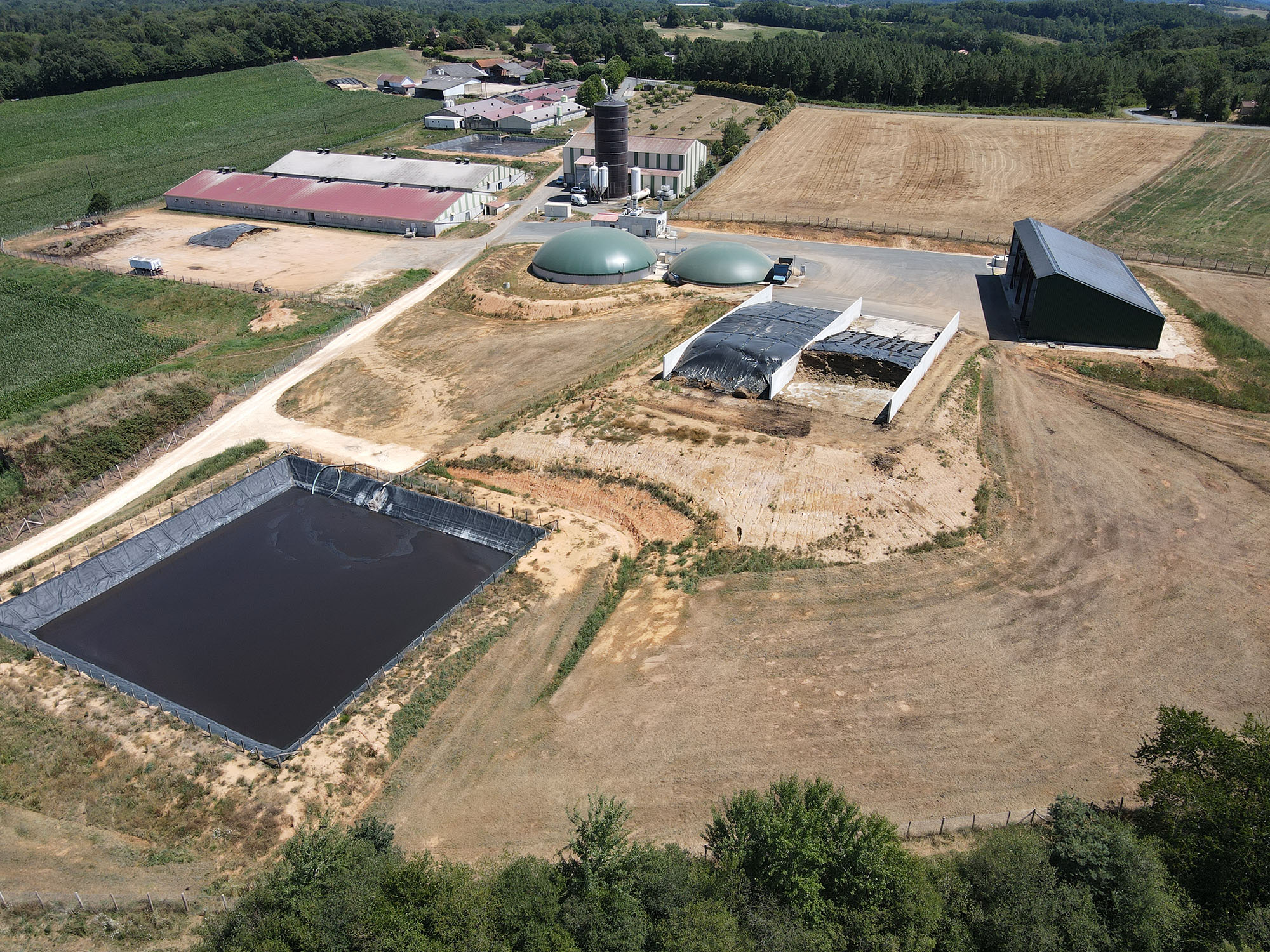
We know exactly what matters in practice as owners and operators of our own biogas plants and with over 35 years of experience. We live our motto: “From farmer – to farmers”.

Plant planning

Essential for a successful implementation of a project is the planning

During the construction phase, starting with the consultation and the first sketch, up to the finished work planning: Our team is always at your side and supports you up to the approval. The design of the planning should be as uncomplicated and cost-effective as possible for you. Therefore, all steps up to the signature/verification of the person authorized to submit building documents and the completion of the building files for all offices are carried out in our company.

Wast

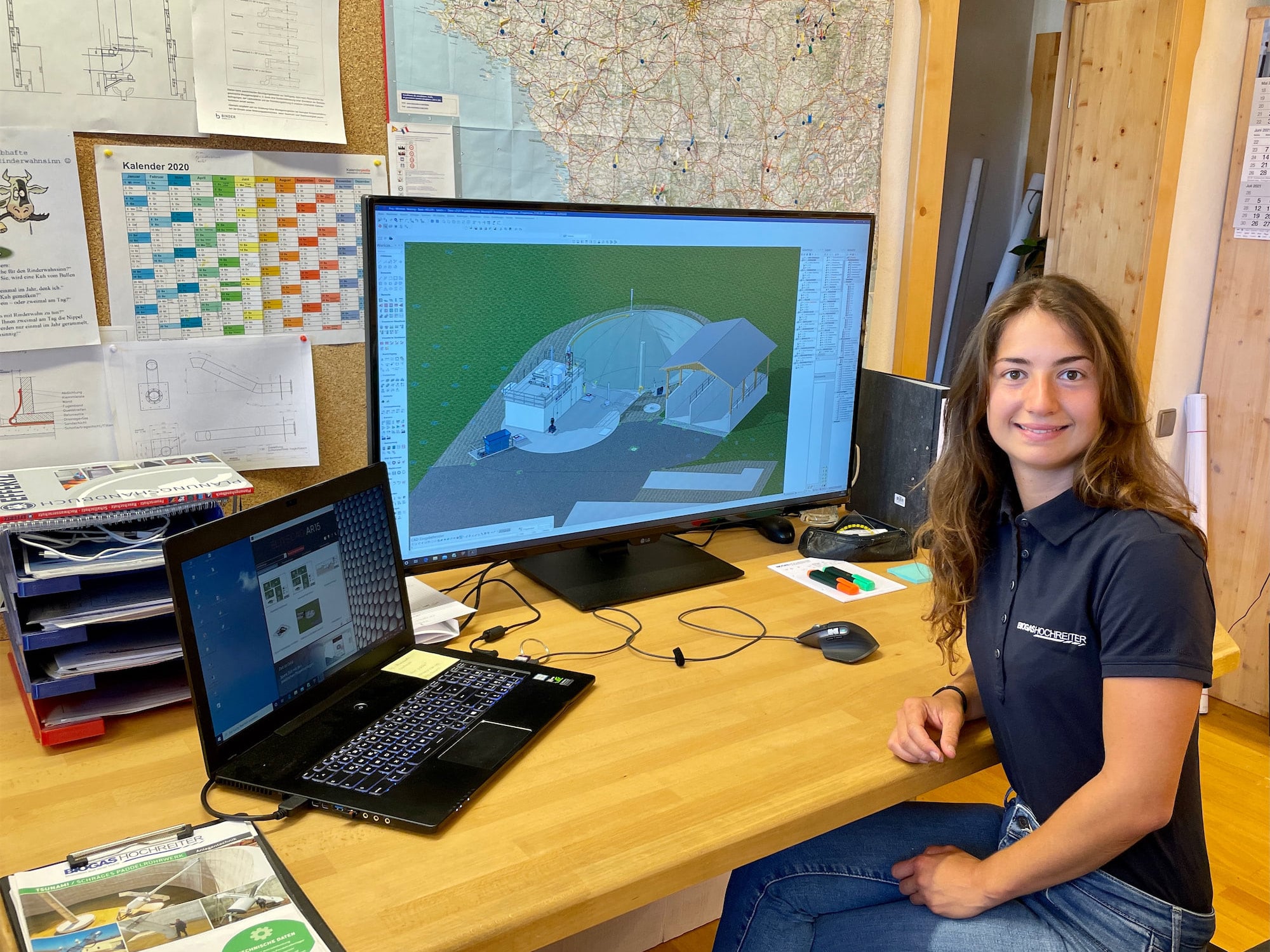
Wast has a perfect command of our system through numerous visits to various biogas plants (NaWaRo, liquid manure, waste, etc.) at home and abroad and, thanks to his many years of experience, can put your ideas in the best possible way.

Wast

Christina supports our planning, especially in Germany.
She accompanies you from the first idea to the final approval and helps you to reconcile practicable construction methods with the applicable requirements and subsidies.

Wast

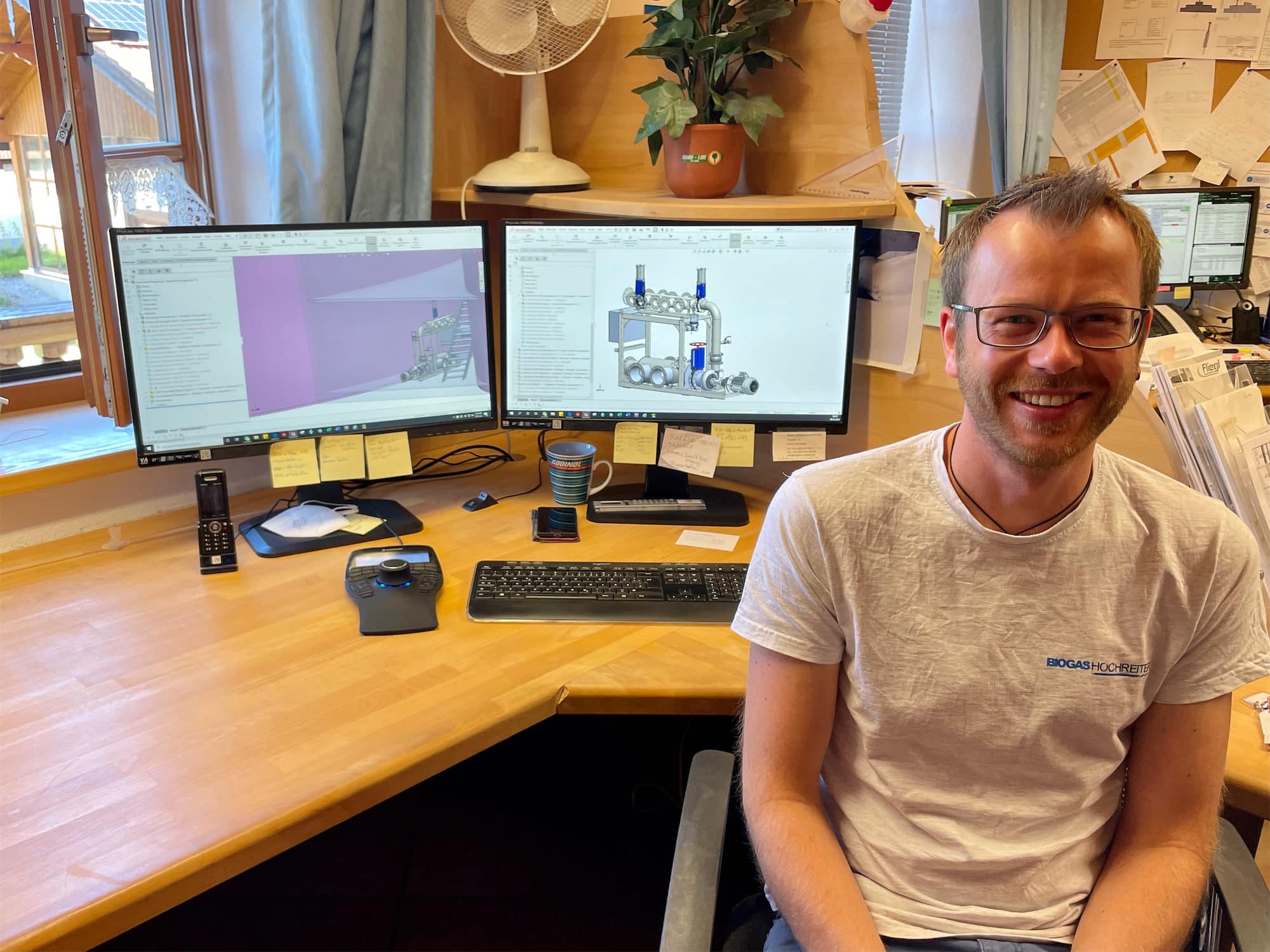
Tom produces the technical drawings of our components and works continuously on further developments and improvements. He is also responsible for the development & drawings of the SCR catalyst.

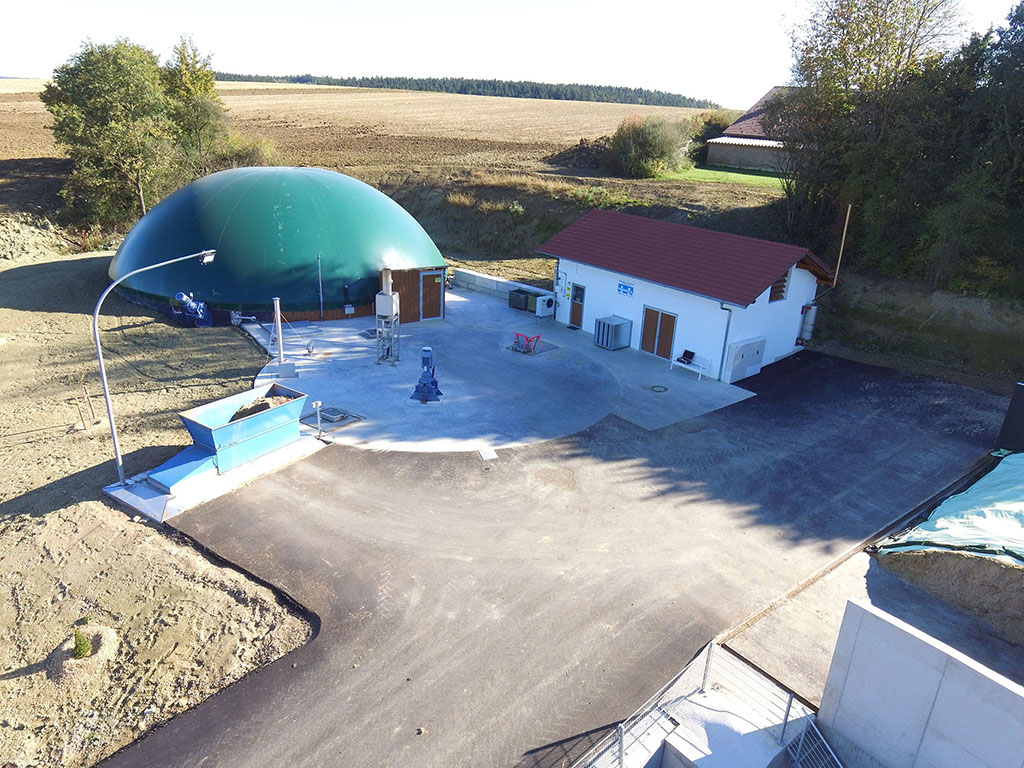
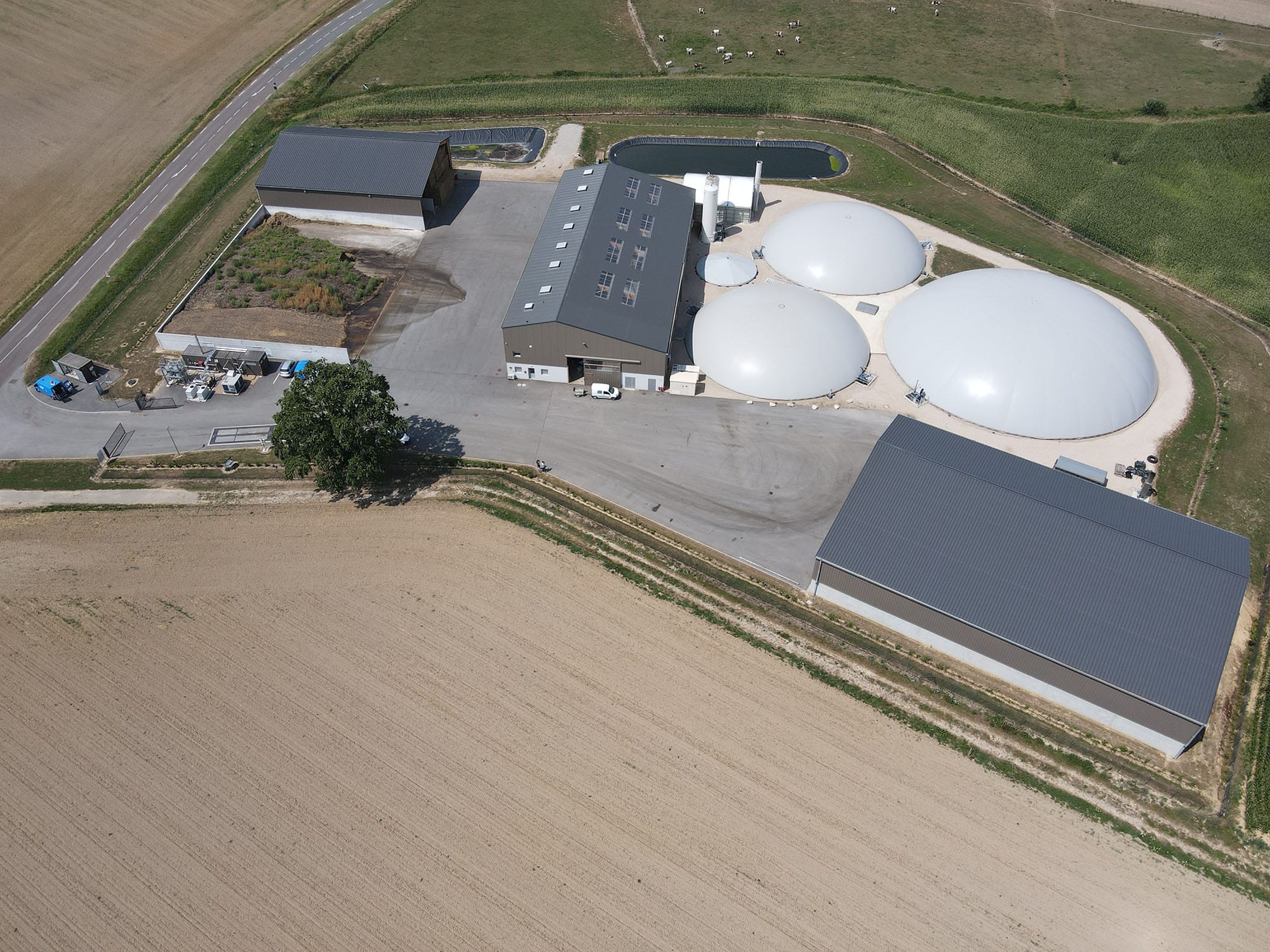
Hochreiter farm biogas plant from 50 kW-150 kW

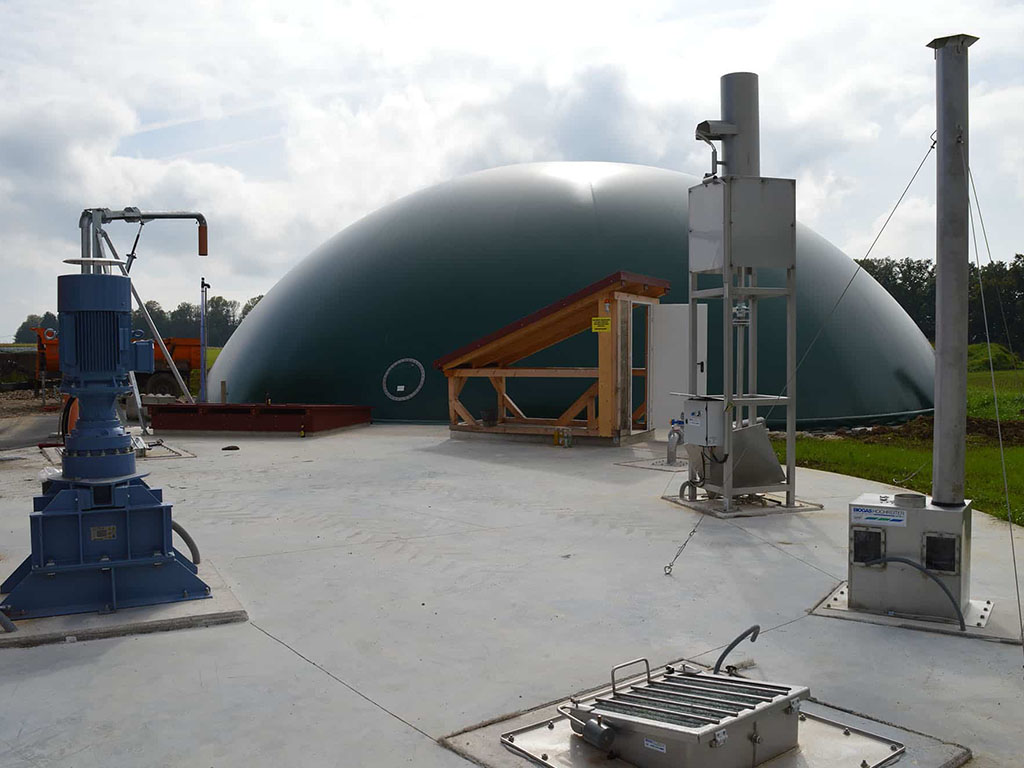
We plan the biogas plant that suits your business and calculate honestly how much money is in your slurry, together with you!
Facts

  • Covering the own electricity demand for farm and biogas plants
  • a high manure content even above 80% is no problem, due to our robust technology
  • Little additional workload in the day-to-day operation of the company
  • produce your own heat and earn additional profit by selling the surplus heat
  • Independent and sustainable energy generation from our own slurry and manure

  • Slurry refinement

Build a second source of business to stand on with your own farm biogas plant.

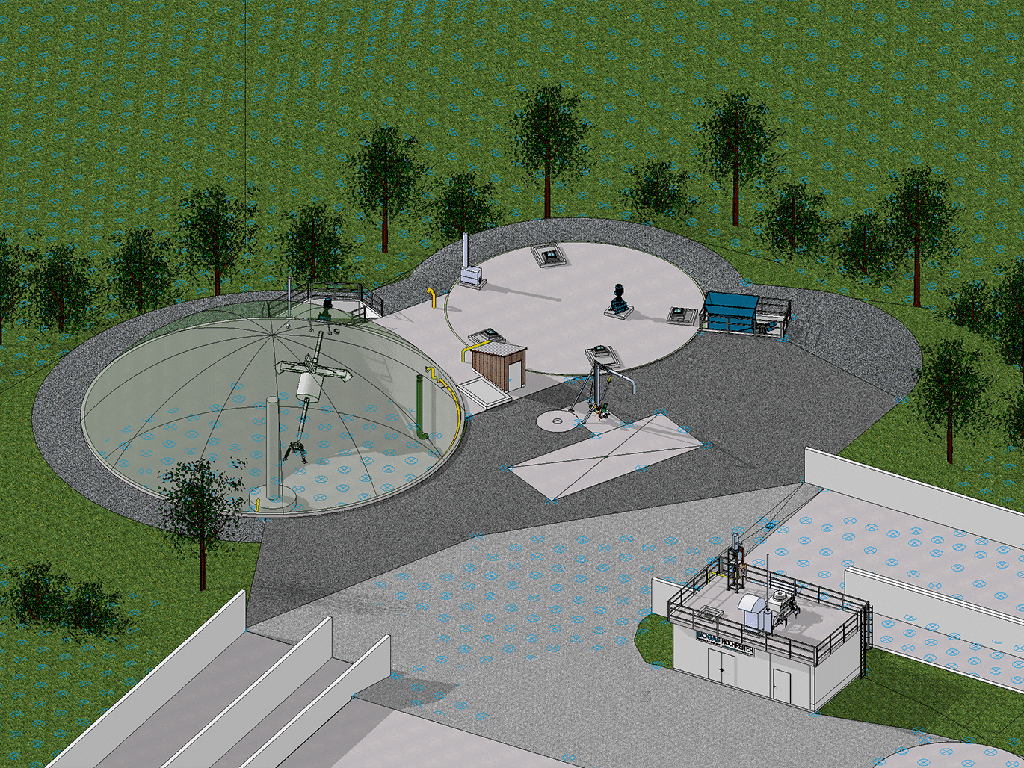
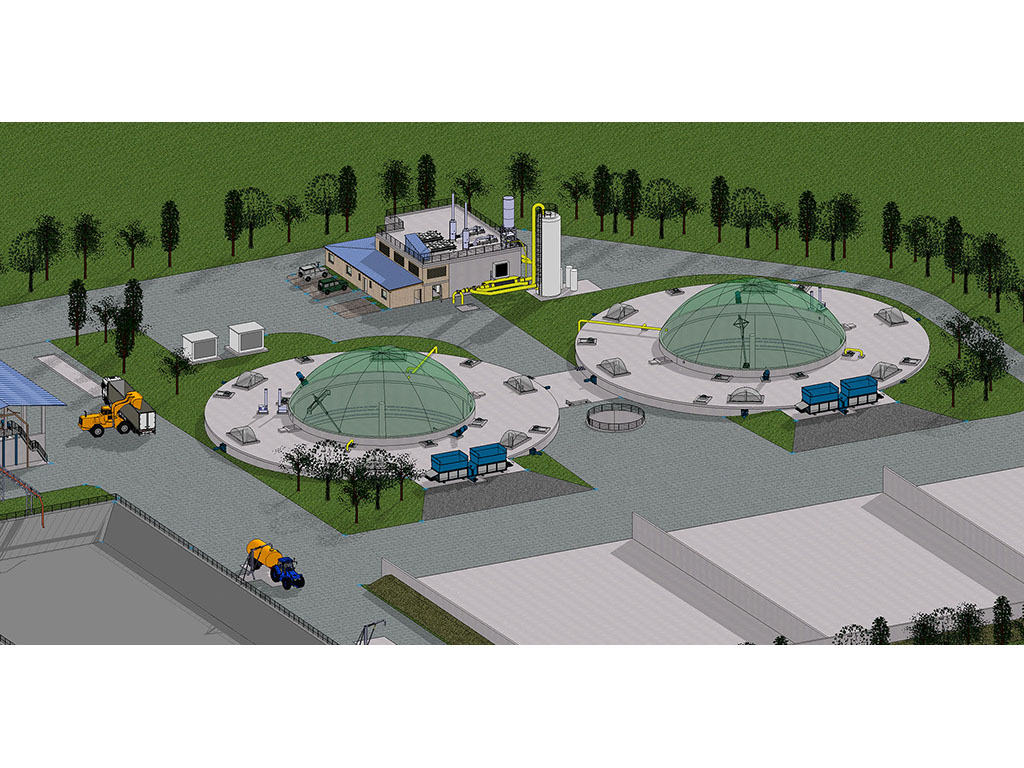
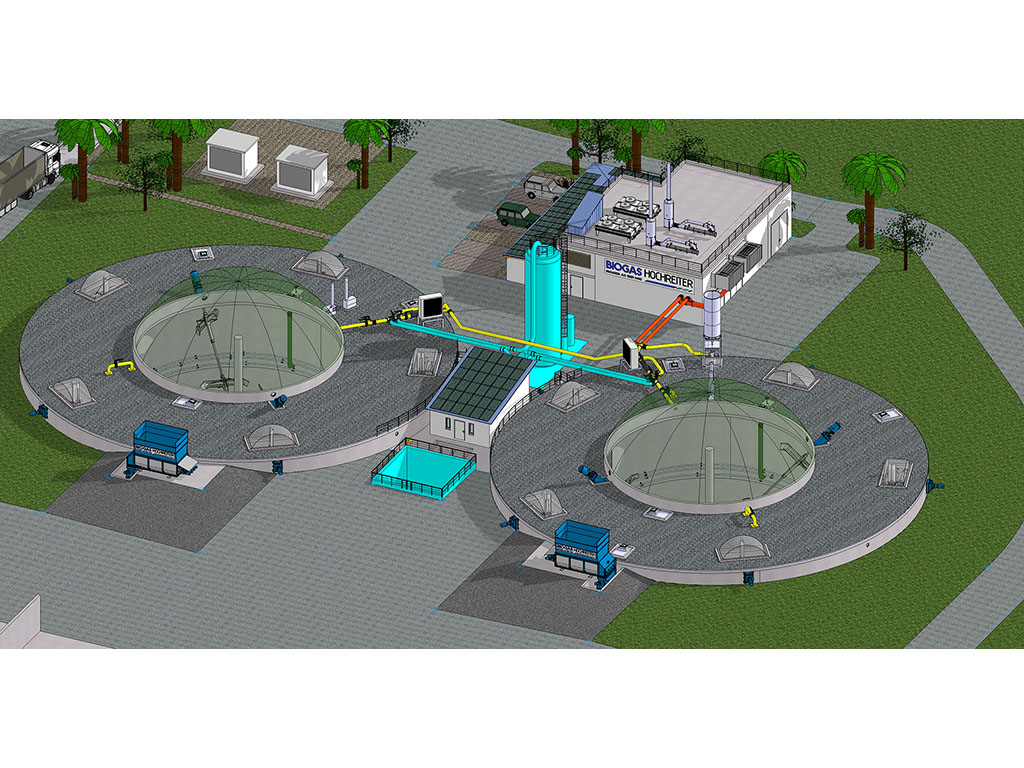
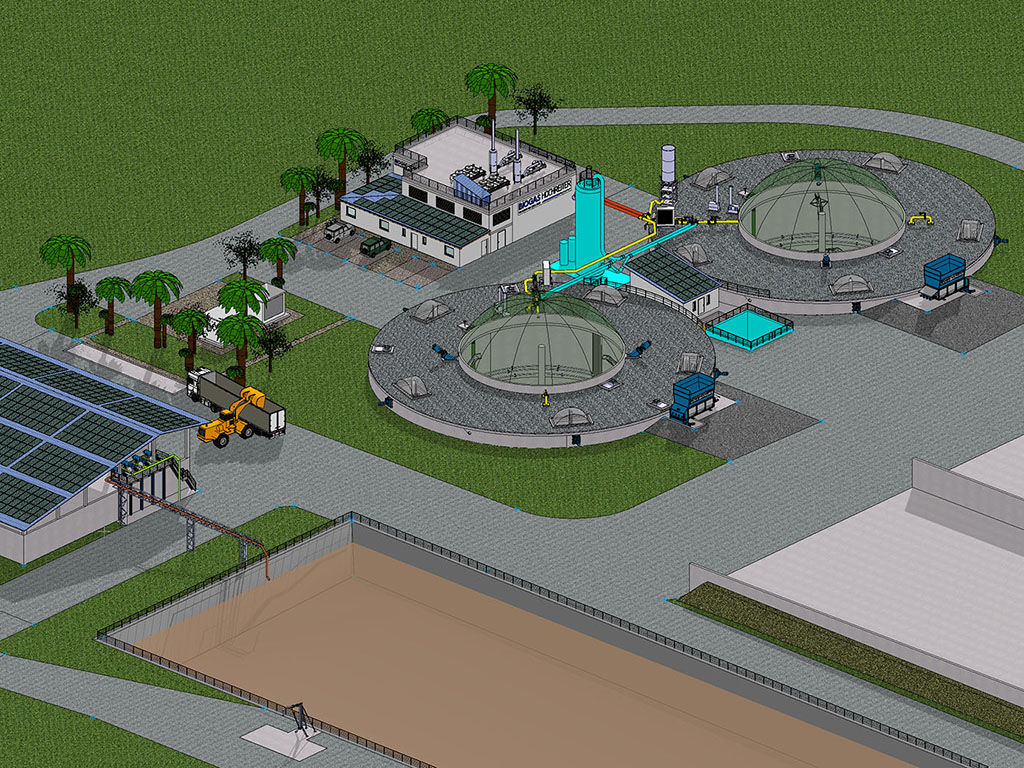
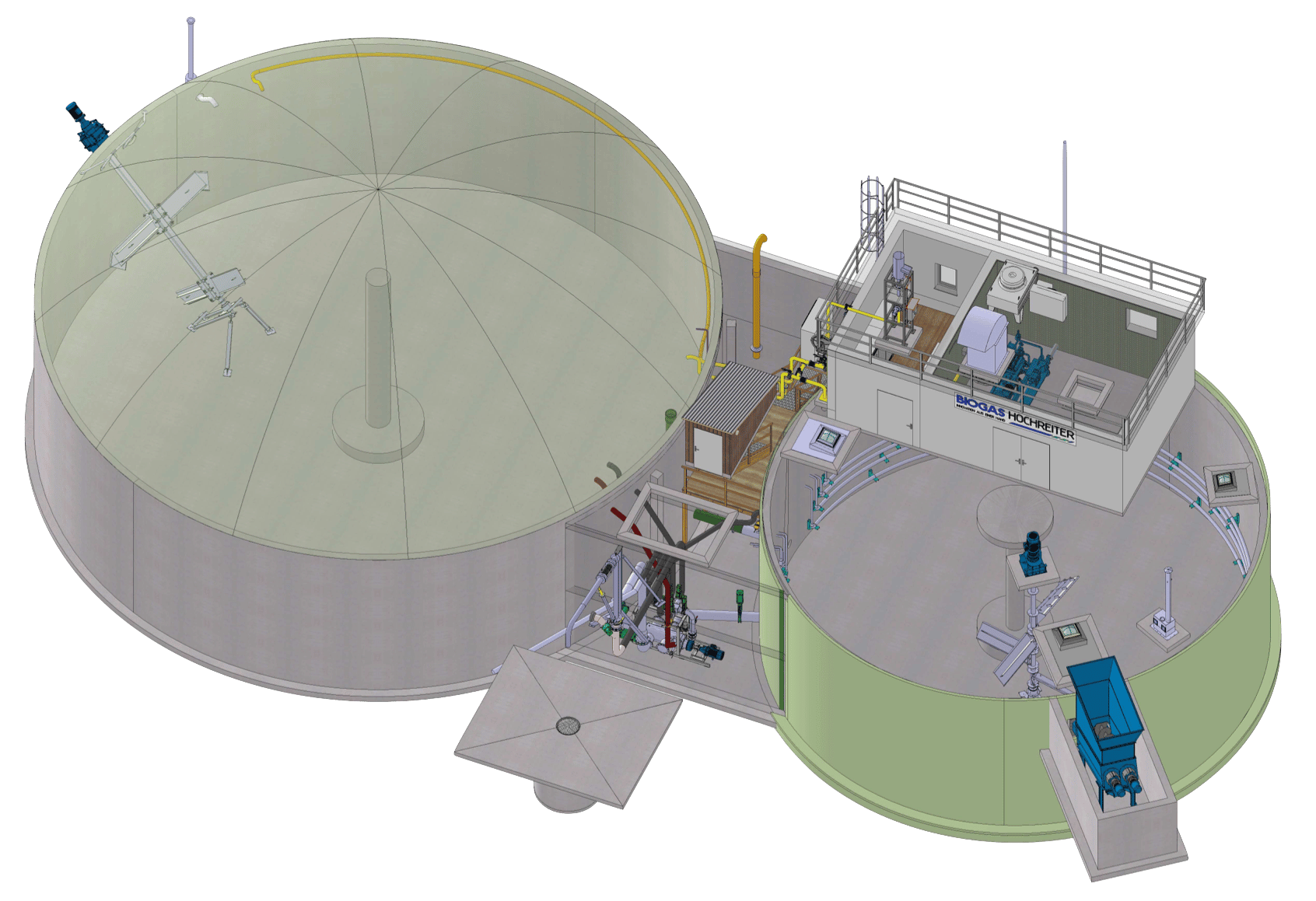
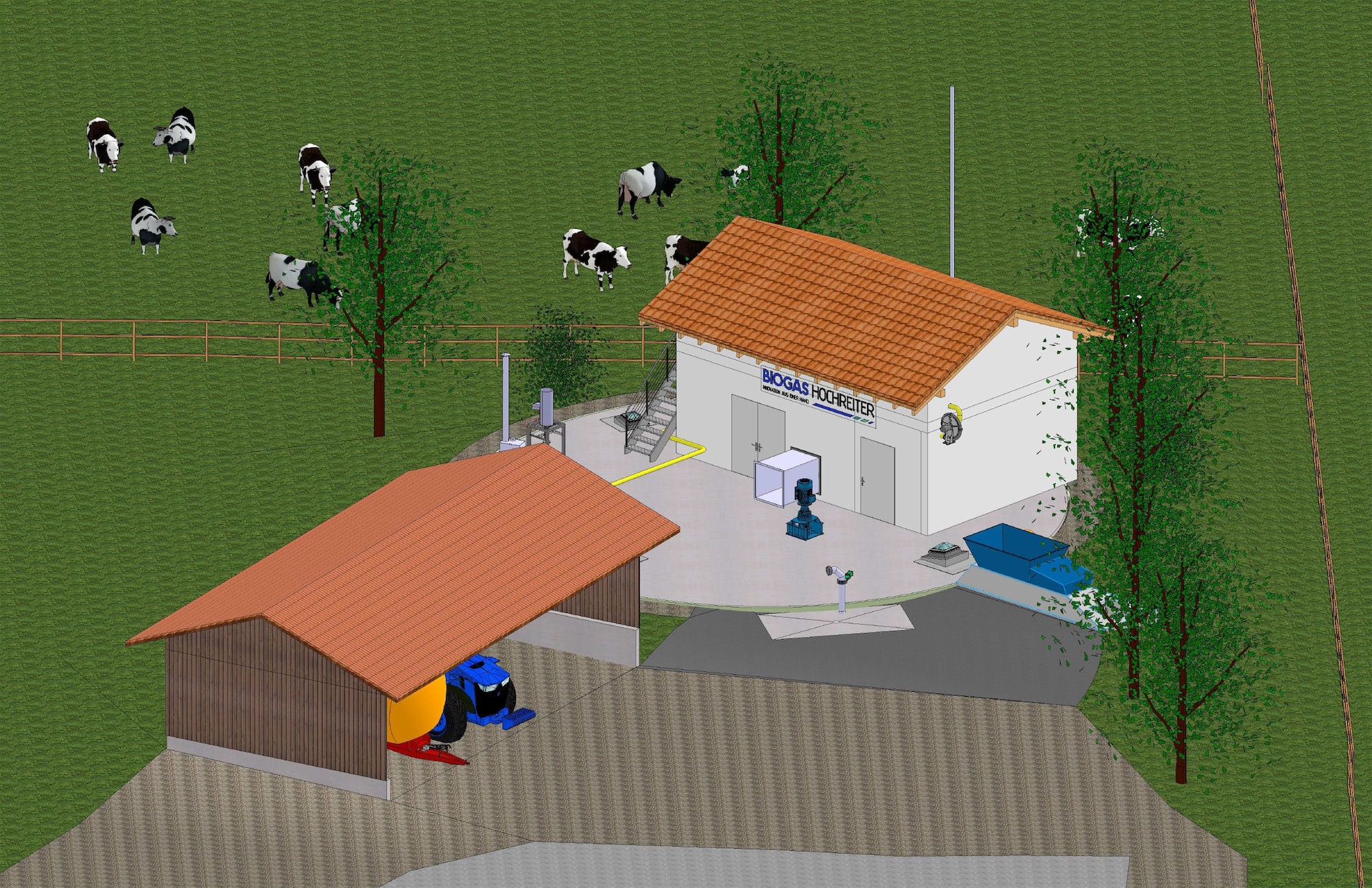
Information on the individual components of a Hochreiter farm biogas plant can be found in the diagram below.
Hochreiter single tank system

  • Cost-effective variant for pure slurry/manure plants

  • Expandable at any time

  • lowerable filling level

  • Compact design

  • robust single-screw feeding “Fuada Sepp” for manure entry

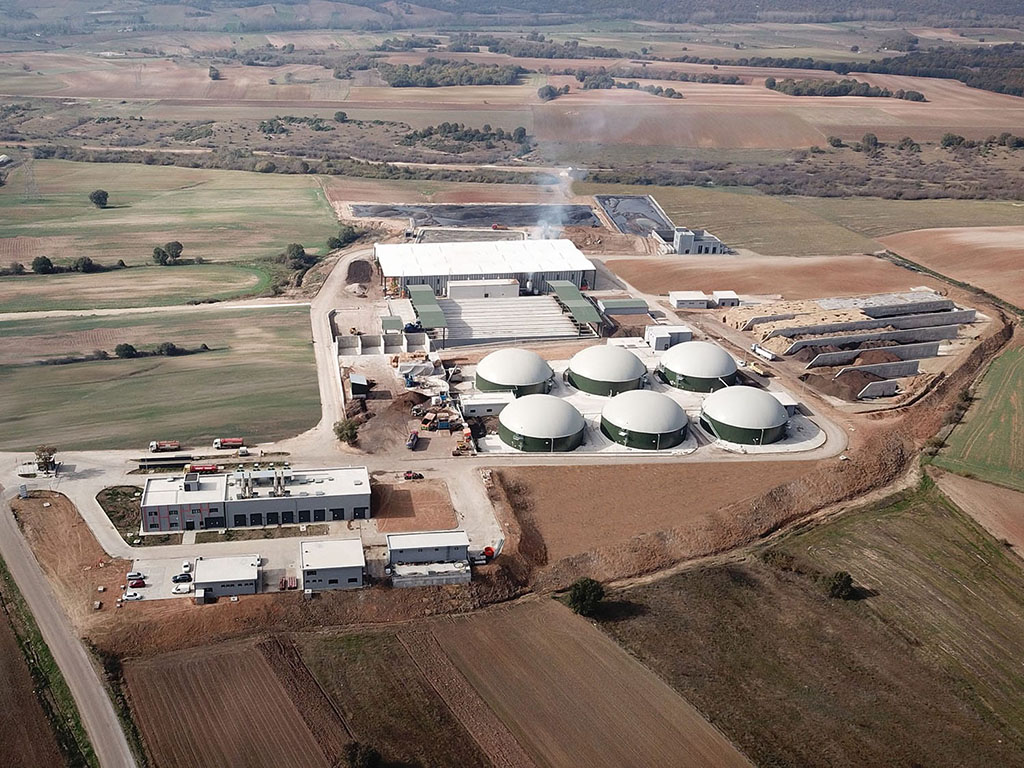
Hochreiter plant systems from 150 kW

As a pioneer in the industry, operator and owner of our own biogas plants, we have a great deal of experience in the sector.
This benefits our customers both in planning and construction, as well as in achieving maximum economic efficiency.
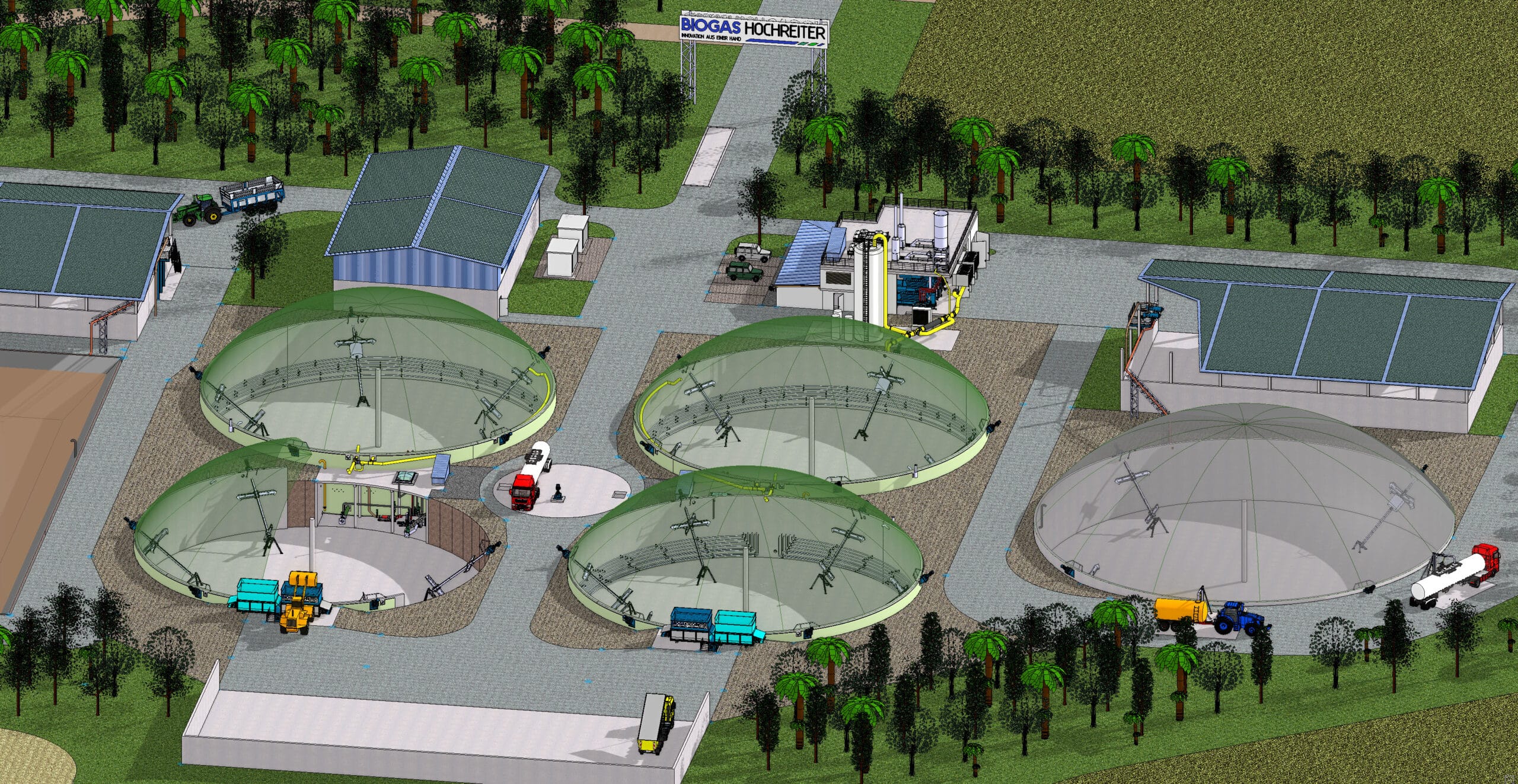
“There is no such thing as a classic Hochreiter system, because every system is different and is individually adapted to each customer – from farmers to industrial customers”

We adapt your future system to your local conditions and requirements so that the system runs smoothly, without complications and, of course, economically. That is why we have developed various concepts.

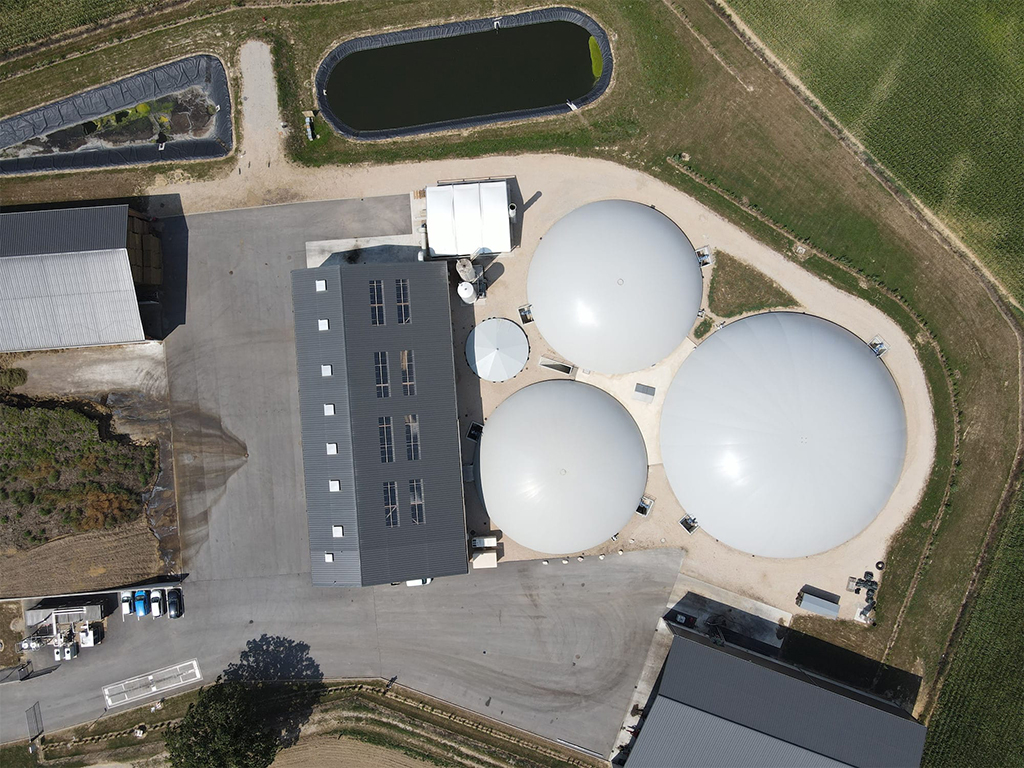
This is what sets Hochreiter systems apart.
  • More than 40 years of experience in the construction, project planning and manufacture of biogas plants and their components

  • Operates two of its own biogas plants with an installed capacity of 1,837 kW and 1,972 kW

  • Over 2,000 plants built

  • Own production and manufacturing in Schnaitsee -> Made in Germany

  • Large containers with a long residence time, resulting in the best gas yields in quantity and quality

  • Overflow between the tanks, material runs by itself through a riser pipe from the digester into the secondary digester, no power consuming pumps necessary, no technical failures

  • Direct feeding of feedstocks into the digester, without complex & cost-intensive reduction technology.

Ring-in-Ring

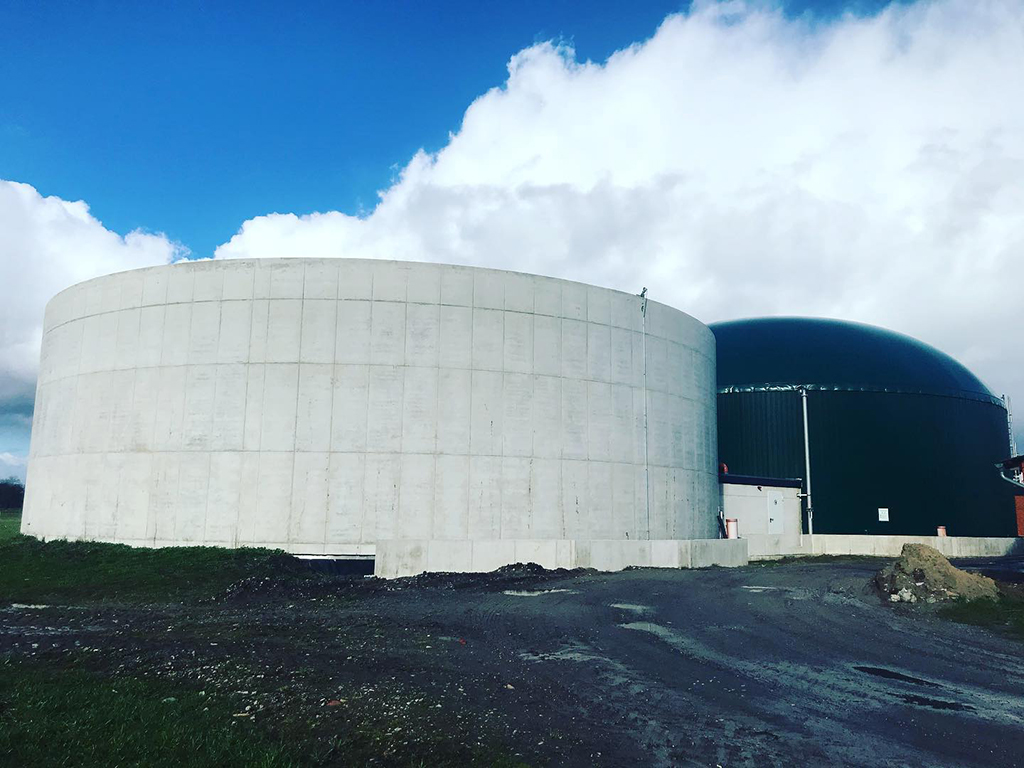
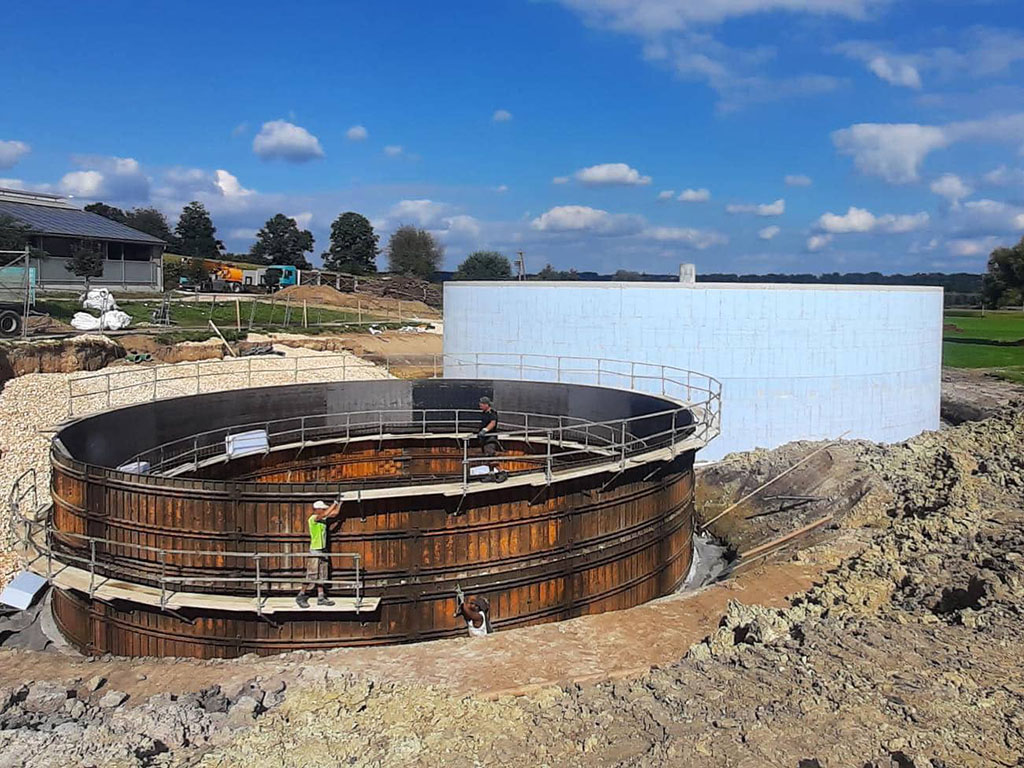
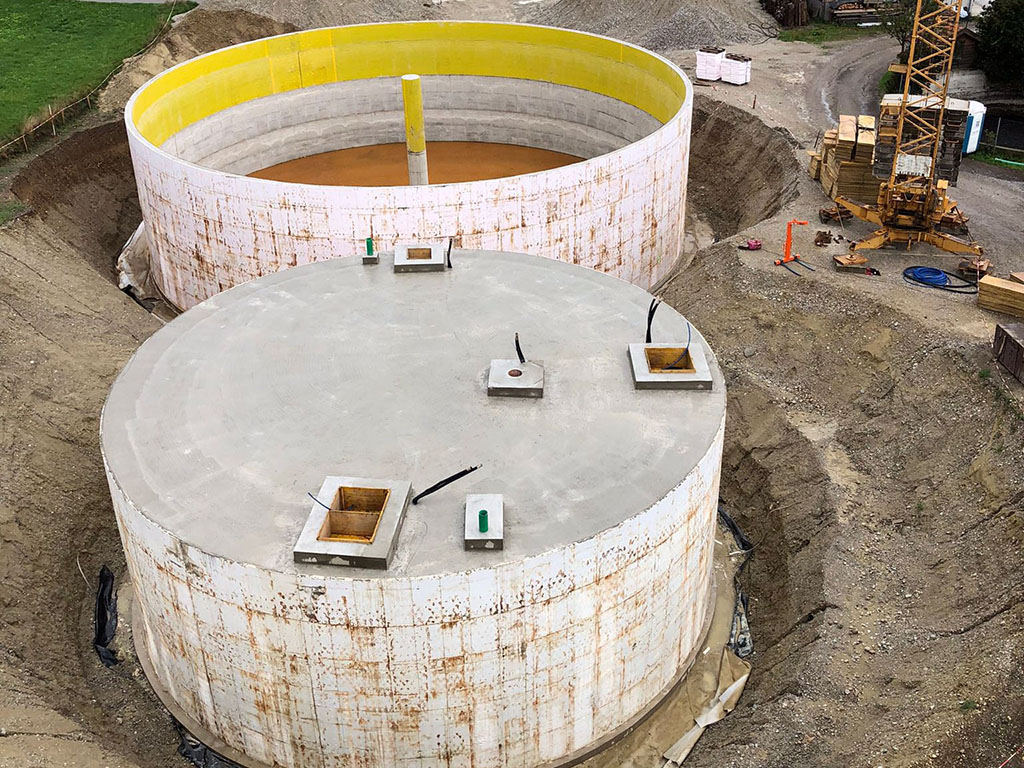
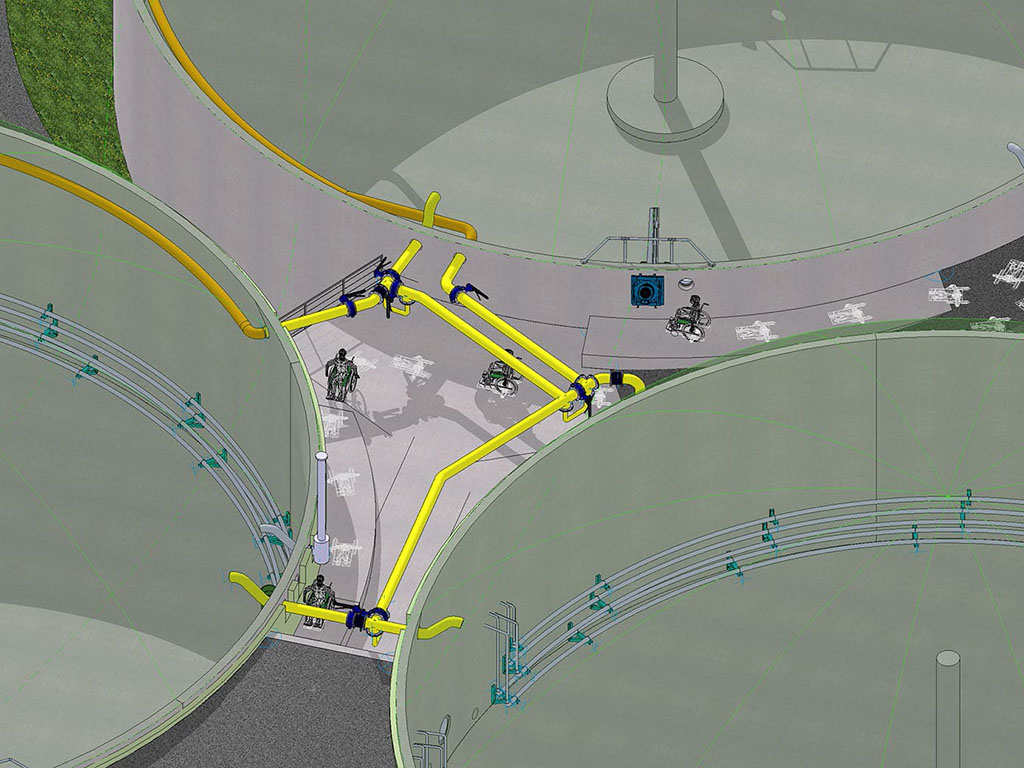
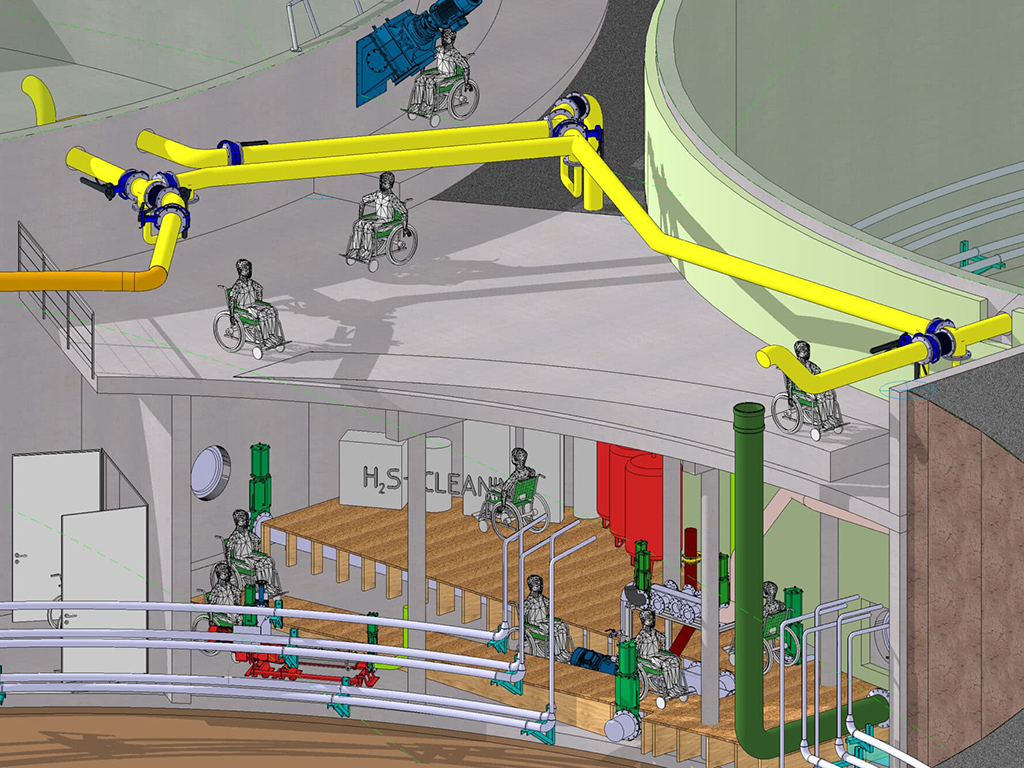
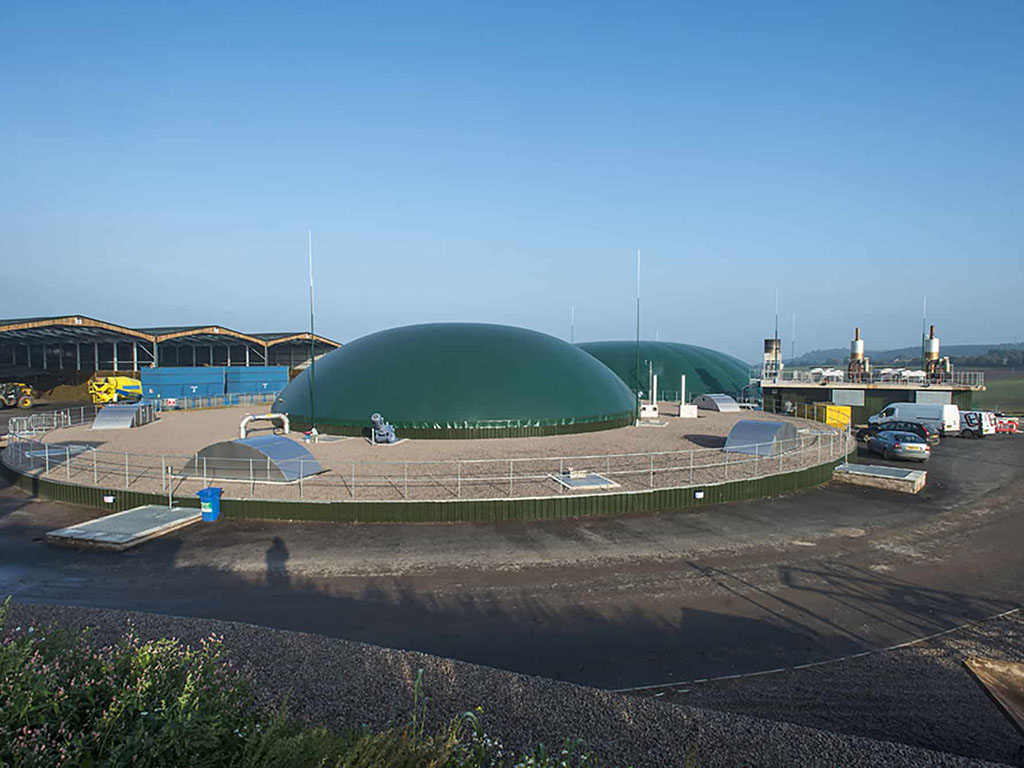
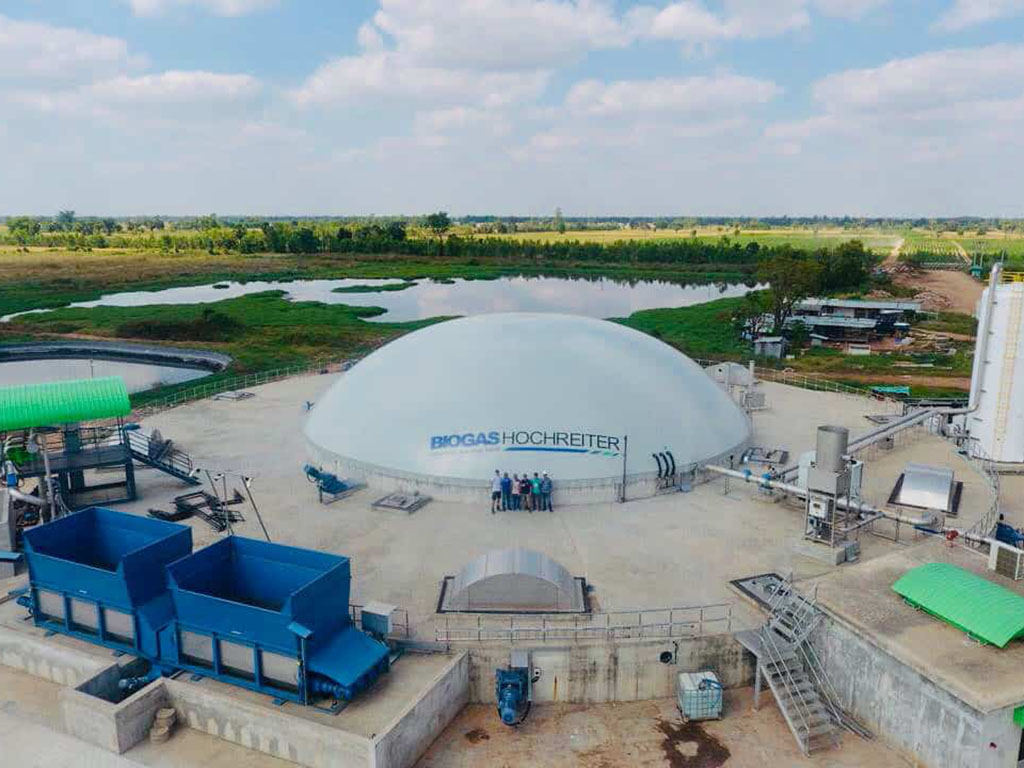
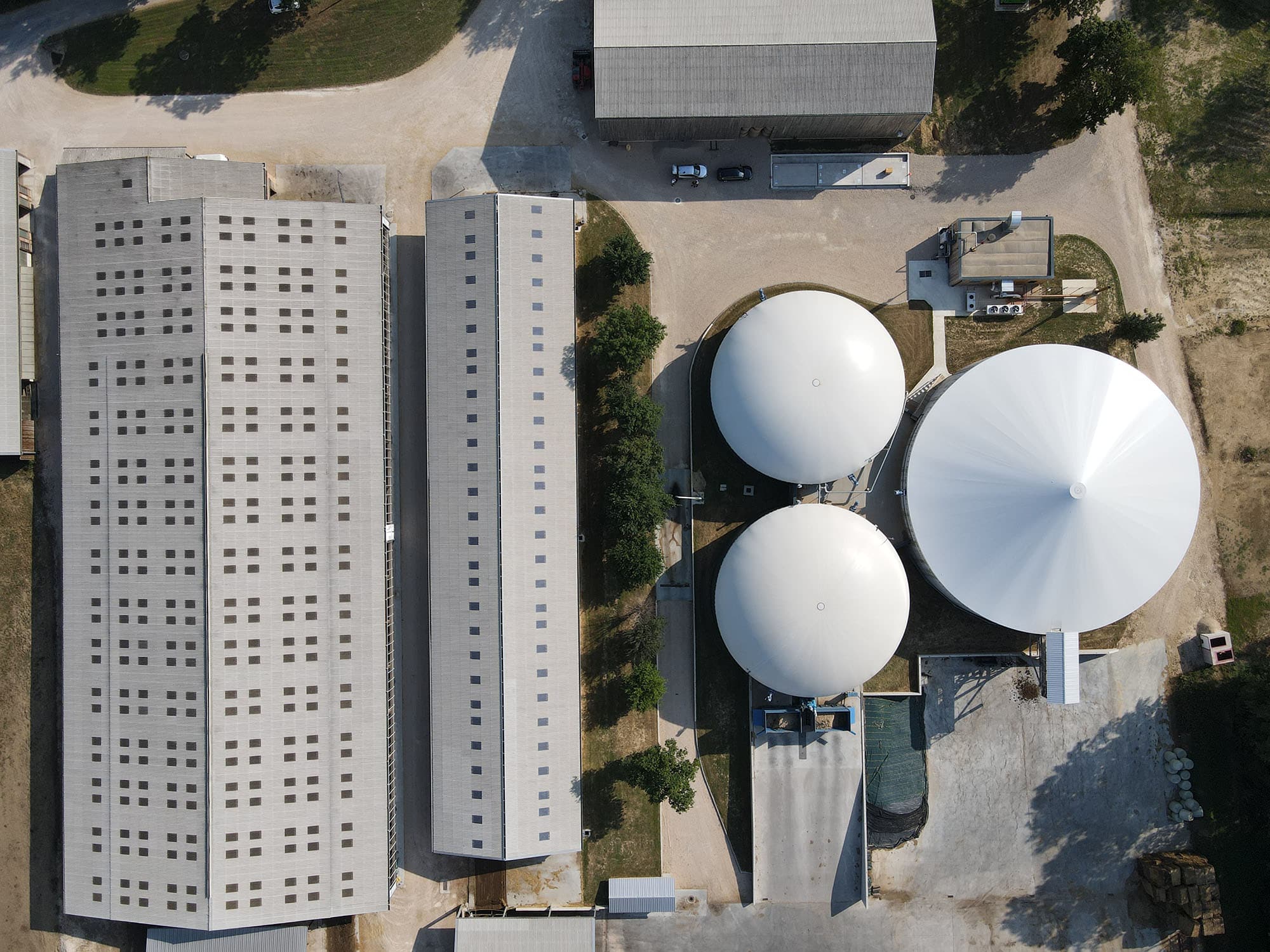
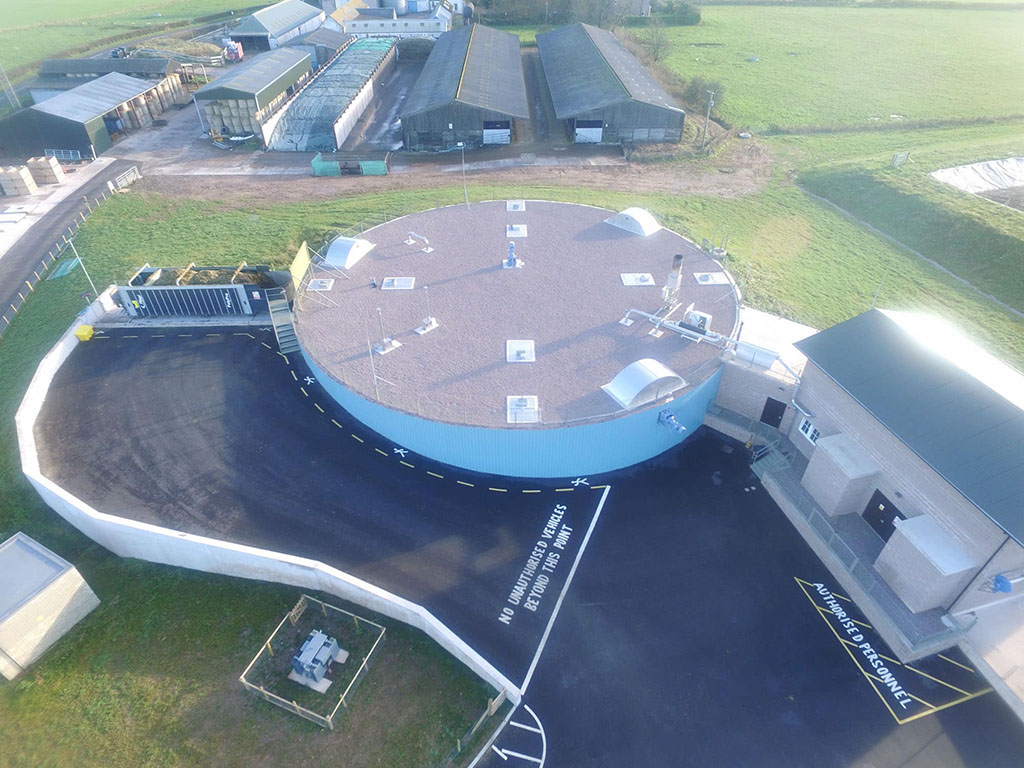
The ring-in-ring system developed by Hochreiter over 15 years ago offers the customer several extensive options.

Questions & Answers

What is a ring-in-ring system?2026-02-03T16:31:35+01:00

A large tank in which the fermenter and secondary fermenter can be combined
(outer ring = fermenter, inner ring = secondary fermenter)

What are the advantages of the ring-in-ring system?2026-02-03T16:30:16+01:00
  • Very space saving & compact
  • Lower heat demand due to insulated concrete ceiling
  • Fluidic optimized
  • short distances between pipes (overflow, digester/post-digester)
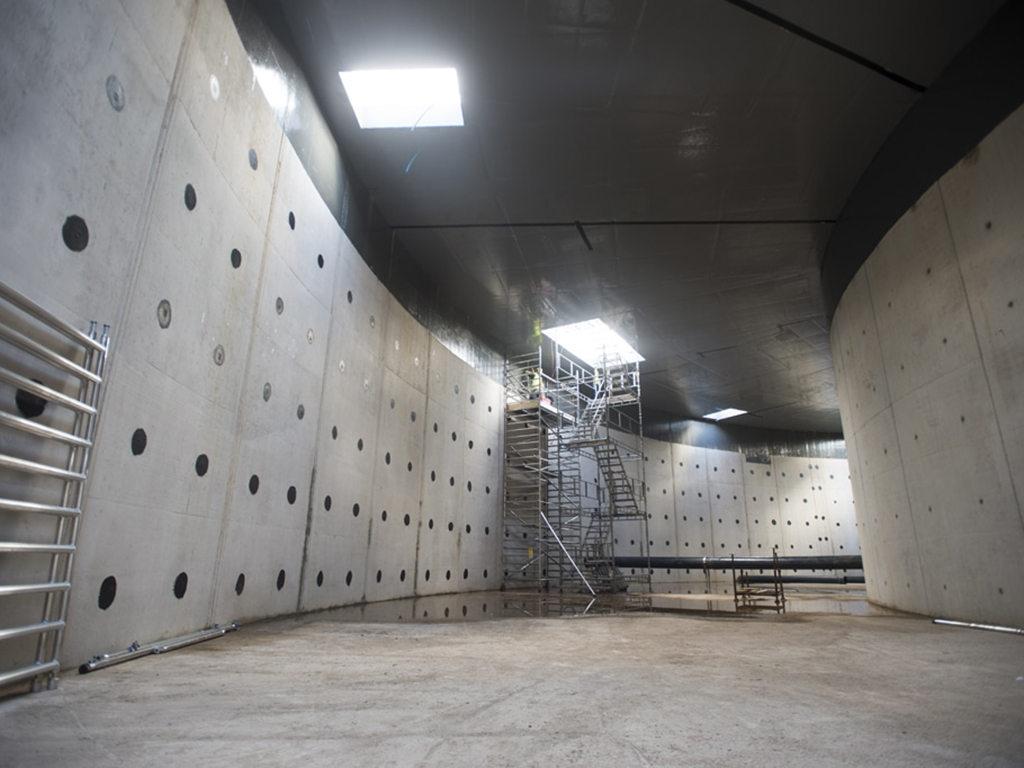
  • Maintenance-friendly due to large inspection openings in the ceiling
  • Low heat loss in the post-digester, as this is located in the inner ring
  • Very good control through sighting devices in the ceiling
At what size is the system economical?2026-02-03T16:31:10+01:00

From 250 kW to 2.5 MW

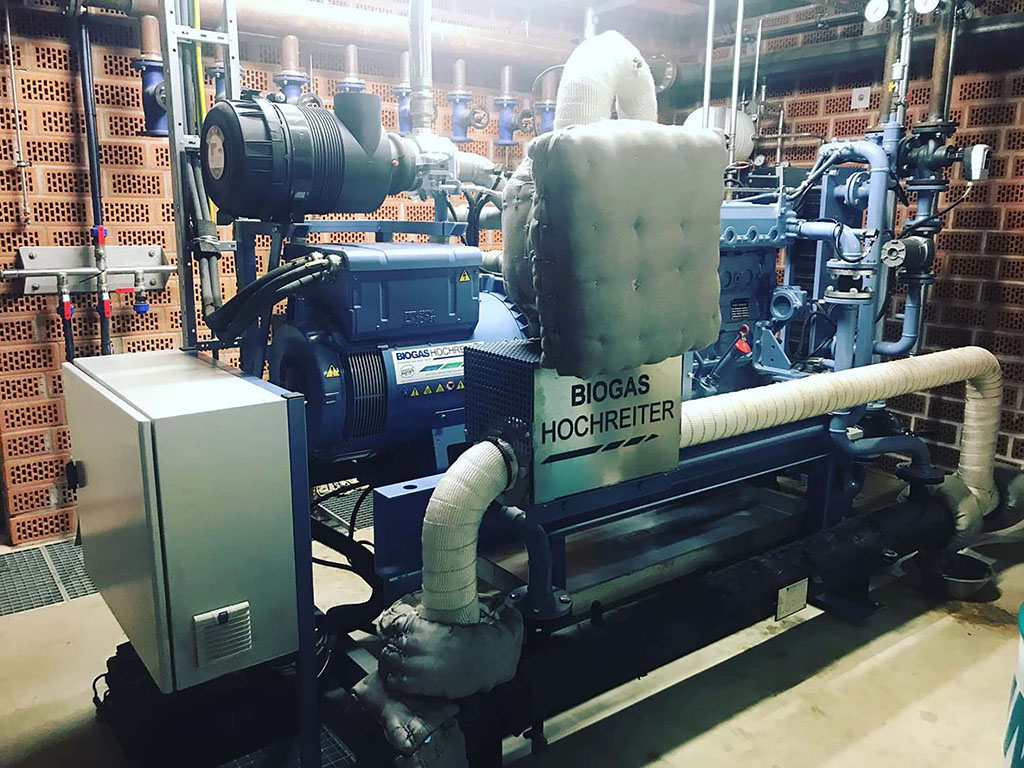
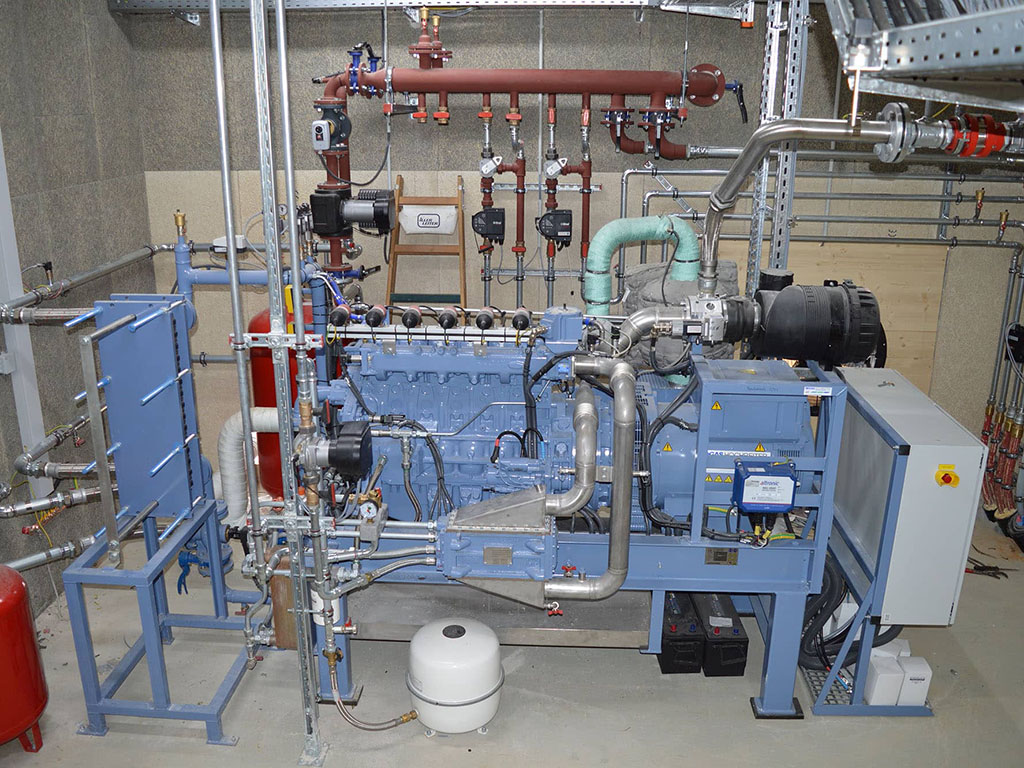
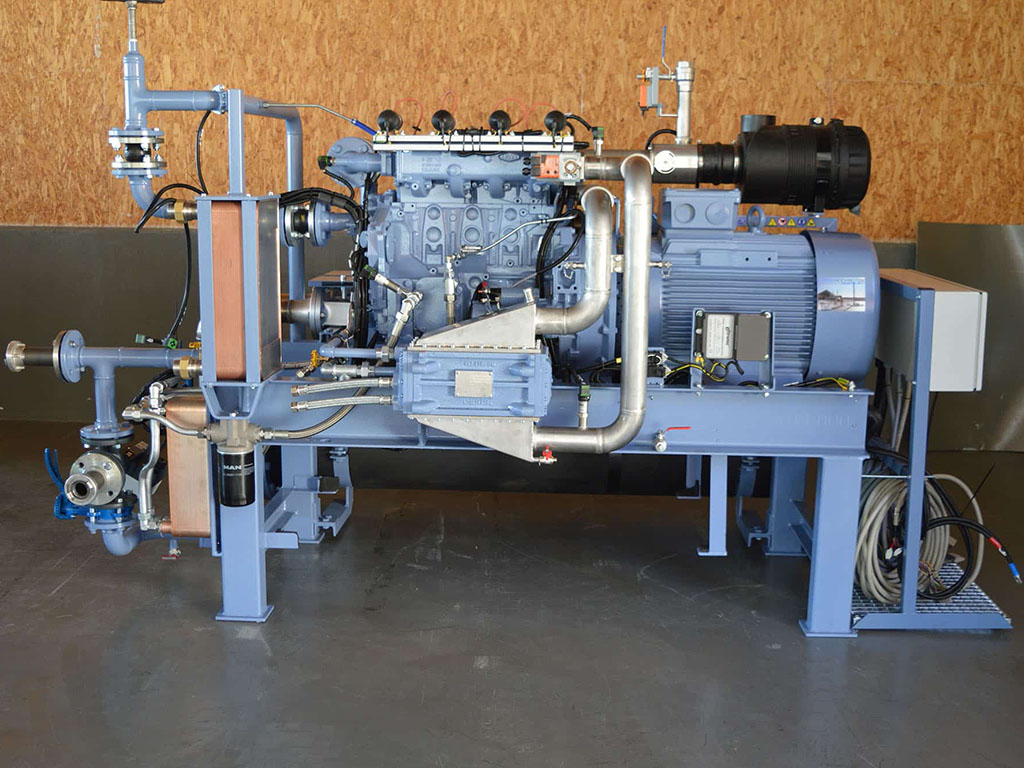
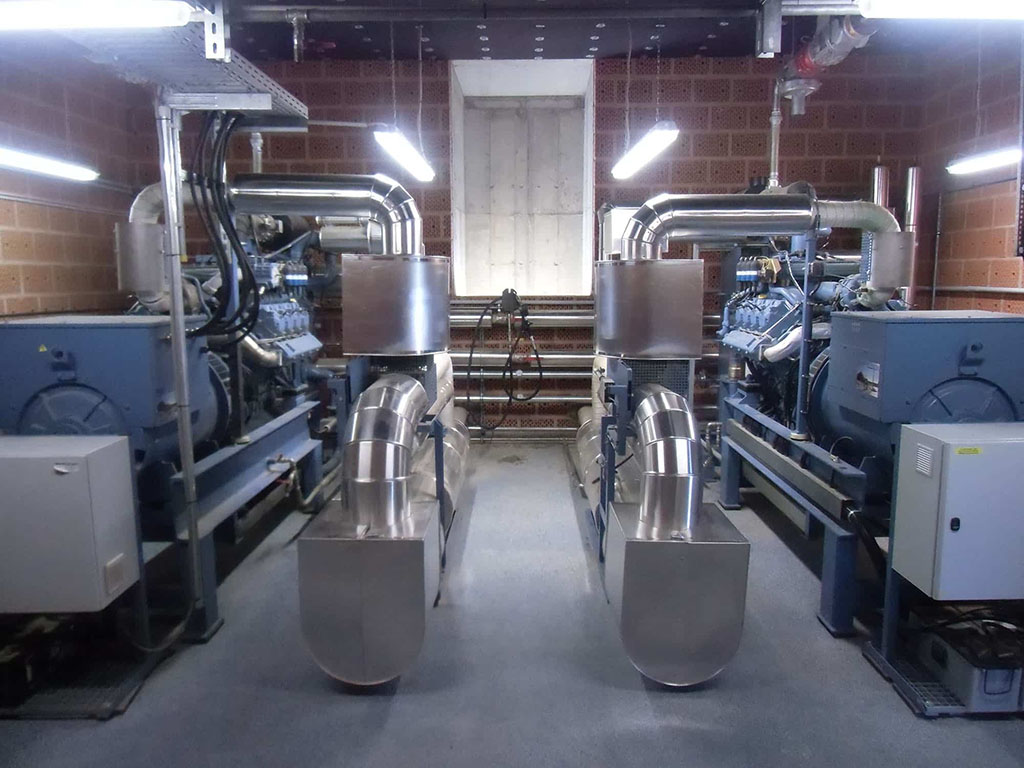
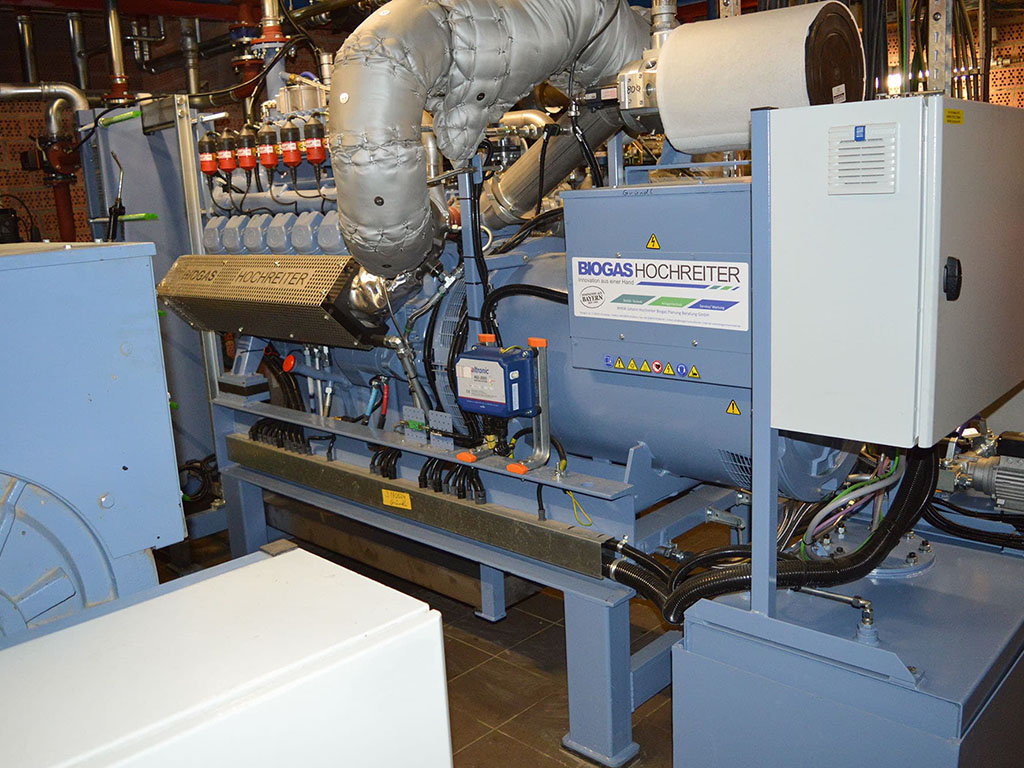
Hochreiter CHP

Motor Cubic capacity Max. electr. Power Therm. Power
HOMWM R6 6,24 Liter 75kW 96kW
HOMAN TE34 4,58 Liter 85kW 101kW
HOMAN TE36 6,87 Liter 110kW 126kW
HOMAN LE36 6,87 Liter 100kW 124kW
HOMAN TE76 12,82 Liter 150kW 178kW
HOMAN LE76 12,82 Liter 200kW 224kW
HODEUTZ V6 11,9 Liter 220kW 273kW
HODEUTZ V8 15,9 Liter 310kW 410kW
HOTEDOM 11,95 Liter 210kW 235kW
HOMAN H3076 12,3 Liter 190kW 220kW
HOMAN H130 22,56 Liter 420kW 484kW
HOMAN LE62 25,8 Liter 530kW 588kW

For information on gensets with 600 – 2,500 kW, please contact our sales department:

Biogas plants for special requirements and waste recycling:

  • Robust and simple stirring technology (BAFA)

  • Energy-saving solid entry (BAFA)

  • Sand rake system, which is used to discharge settling materials, such as sand from laying hen manure, during operation

  • suitable for all waste such as organic waste, bio waste, slaughterhouse waste, etc.

  • Solutions for floating layers of e.g. light plastic, packaging material, etc.

Flexibilization

Biogas Flexibilization, more revenue, little effort in everyday life

In order to achieve more revenue for less effort in everyday life, numerous new specifications and requirements must be observed. Many questions arise for the system operator.

Questions & Answers

Is my system suitable for this?2026-02-03T16:32:27+01:00

Your existing plant must be adapted to the requirement for flexible operation. Typically, this means overbuilding the electrical capacity and increasing the gas storage.

We carry out a free system check and work out your individual, flexible system concept, together with you.

What stumbling blocks need to be considered?2026-02-03T16:32:02+01:00

We advise you in detail on questions concerning direct marketing, grid compatibility assessment and grid connection extension, transformer stations, environmental assessment for flexible operation, plant certificate, noise assessment, water law, acceptance in accordance with §29a BimSchG.

Biomethane / LNG

Available quickly and at any time, versatile in use, resource-saving in production

Facts

  • Biomethane is climate and environmentally friendly

  • has a better CO2 balance than fossil fuels

  • advanced fuel that is RED II compliant

  • Can be used in gaseous form as bio-CNG or in liquid form as bio-LNG

Biogas consists mainly of 50-60% methane, the remaining components are CO2 and a small amount of trace gases. The latter are considered impurities and must be separated from the other components before being fed into the natural gas network.

The separation of biogas to high quality biomethane can be done with different methods.

The most common methods are membrane technology or PSA (pressure swing adsorption).

Membrane technology is used to compress the biogas and then filter the methane using modern separation modules. Here, several membrane pipes are usually used at the same time. This process is relatively simple and now technically very well developed, which ensures reliable operation.

In pressure swing adsorption, the biogas undergoes a pressure increase as the first step. The carbon dioxide molecules are then adsorbed in special columns through strong and rapid pressure changes. This process is run a few times in several columns, and in the process the biomethane is extracted from the raw biogas.

CO2 is also produced during the production of biomethane. This can be used in greenhouses, chemical plants and for beverage and food production.
Go to Top